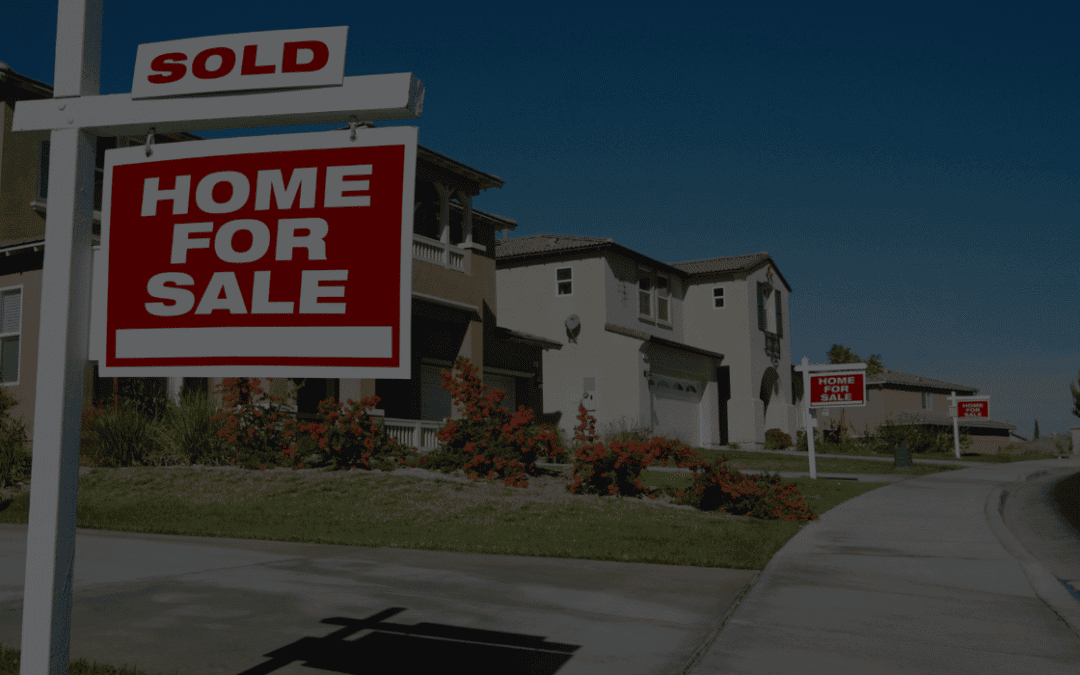
Buying a new home before selling your current one can offer flexibility and convenience but it also comes with additional costs that buyers need to understand upfront.
If you’re considering a buy before you sell strategy, knowing the financial impact can help you plan ahead and avoid surprises.
Here’s what to expect.
Why Costs Matter When Buying Before You Sell
When you buy before selling, there is often a period where you may temporarily carry two homes.
This means:
-
Two mortgage payments
-
Two sets of property taxes
-
Two insurance policies
Even if this overlap is short, it’s important to be financially prepared.
Carrying Two Mortgage Payments
One of the biggest costs to consider is the possibility of covering two mortgage payments at the same time.
Depending on your situation, this overlap could last:
-
A few weeks
-
A few months
Lenders will evaluate whether you can handle this temporary financial responsibility before approving your loan.
Bridge Loan Costs
If you’re using a bridge loan to access your home’s equity, there are additional costs to factor in.
These may include:
-
Higher interest rates compared to traditional loans
-
Loan origination fees
-
Short-term repayment structures
Bridge loans can be a powerful tool, but they are designed for short-term use and should be planned carefully.
Home Equity Line of Credit (HELOC) Costs
Some buyers use a HELOC instead of a bridge loan.
Costs to consider include:
-
Variable interest rates
-
Monthly interest payments
-
Closing costs or fees (depending on the lender)
A HELOC can offer flexibility, but it’s important to understand how repayment works.
Down Payment and Closing Costs
Even if you’re using equity, you’ll still need to account for:
-
Down payment on the new home
-
Closing costs (typically 2%–5% of the purchase price)
-
Moving expenses
These upfront costs can add up quickly, especially if your equity is not fully accessible right away.
Potential Holding Costs
If your current home doesn’t sell immediately, you may also need to cover:
-
Utilities
-
Maintenance and repairs
-
HOA dues (if applicable)
-
Staging or marketing costs
These are often overlooked but can impact your overall budget.
How to Reduce Your Financial Risk
There are ways to manage and reduce the costs of buying before you sell:
-
Price your current home competitively to sell faster
-
Work with a lender to structure your financing strategically
-
Build in financial reserves for temporary overlap
-
Plan your timing carefully
A well-planned approach can make this strategy much more manageable.
When the Costs Are Worth It
Despite the added expenses, many buyers find that buying before selling is worth it because it allows them to:
-
Avoid moving twice
-
Take their time finding the right home
-
Make stronger, non-contingent offers
-
Reduce stress during the transition
For many homeowners, the convenience and flexibility outweigh the temporary costs.
Final Thoughts
Buying a home before selling your current one can be a smart strategy but it’s important to understand the full financial picture.
From carrying costs to loan fees, planning ahead is key to making this approach work successfully.
If you’re considering buying before you sell, reviewing your options and costs with a knowledgeable Roseville Mortgage lender can help you move forward with confidence.
Contact us or fill out the form below to learn more.